


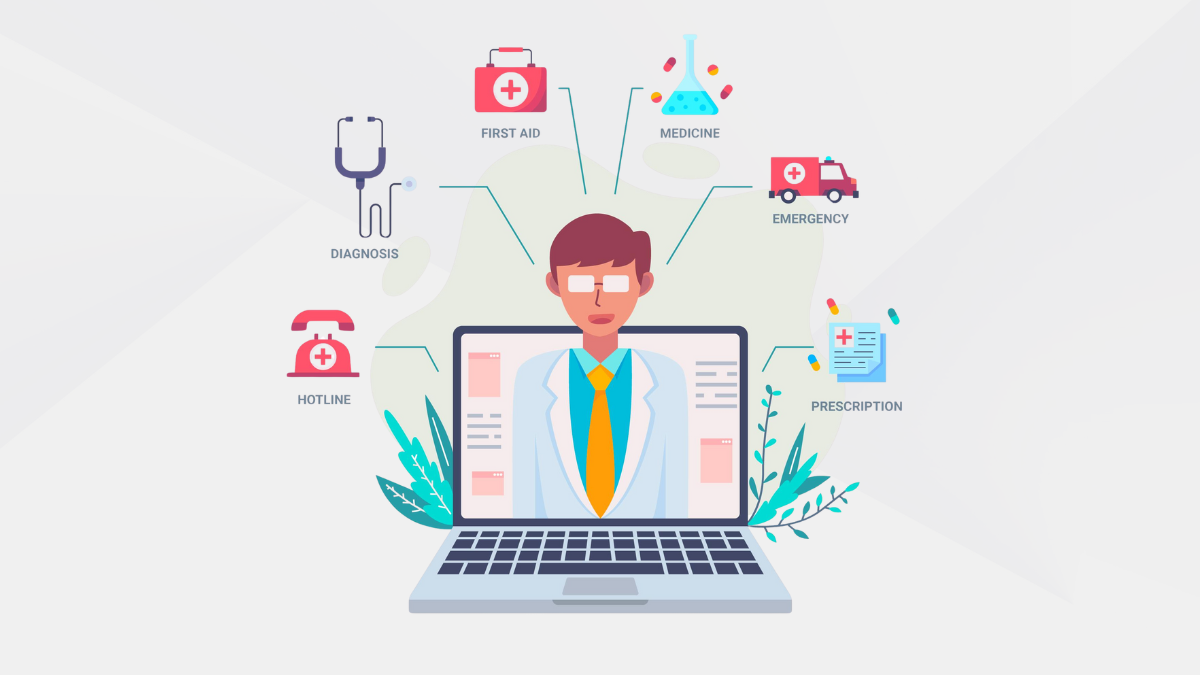

Hospitals and health systems are placing greater emphasis on patient engagement. These institutions recognize the impact and how it supports the outcomes and satisfaction. To enhance their efforts, many invest in tools and strategies that make engagement more measurable and effective. By partnering with top healthcare marketing agencies, the health industry stays ahead of emerging trends and technologies by developing targeted strategies that boost patient outreach, satisfaction, and overall brand visibility.
Healthcare marketing agencies use tools to connect affluent clients with leading medical service providers, ultimately driving institutional growth. However, choosing and implementing the right marketing strategies can be challenging. Below are some of the most effective approaches to strengthening patient relationships within the healthcare industry.
What Do You Mean by Patient Engagement? Defined by Healthcare Marketing Agencies
The primary aim of patient engagement is to ensure both the patient and the provider work together to improve the patient’s health. A healthcare marketing agency plays a vital role in strengthening the communication and connection between patients and medical institutions. This not only fosters informed decision-making but also builds trust.
However, patient engagement is not uniform. While some individuals take an active role in managing their care, others, particularly those who are new to the healthcare system, may remain less involved. This variability highlights the need for tailored engagement strategies that address different patient needs and levels of readiness.
Strategies to Enhance Patient Engagement: Top 6 Healthcare Marketing Strategies
Here’s how a robust patient engagement strategy can support a successful healthcare marketing plan. Below are six key strategies:
1. Embrace Personalized Communication
Every individual is different, and so are their needs. Patients no longer respond to one-size-fits-all messaging. Personalized communication, such as tailored emails, SMS reminders, health tips, and even social media outreach, makes it easier for patients to feel seen and understood.
Top marketing agencies segment the patient database based on demographics, health conditions, or behavior patterns. This data enables the delivery of personalised communications to targeted audiences. Even something as simple as using a patient’s first name in an email can be a powerful tool in increasing engagement rates.
2. Create Educational Content That Adds Value
Content marketing is a powerful way to educate and empower patients. Often, patients struggle to understand the medical jargon used in the healthcare industry. By delivering the right content in simple and engaging language, patients can get a detailed overview of their medical situation.
Develop blog posts, infographics, videos, and downloadable guides on topics that matter to the audience. These can include preventive care tips, adherence to prescribed medicines, mental health awareness, and lifestyle changes. Additionally, adding real patient success stories (with consent) can also humanize the institution and inspire action.
3. Optimize Your Website for User Experience
A medical website is often the first touchpoint for potential patients. Thus, make sure it is user-friendly, informative, and accessible. A confusing or outdated website can frustrate users and prevent them from engaging with your services.
The best marketing firms recommend creating a mobile-responsive website that is easy to navigate. This ensures quick access to critical information such as services, provider bios, contact details, and appointment booking. Apart from this, features like live chat, patient portals, and online payment systems make the interactions more seamless.
4. Leverage Social Media to Build Community
Social media platforms are valuable for fostering engagement and building trust. They allow health institutions to reach patients through a more convincing, conversational, and approachable tone.
One of the most effective strategies opted for by top healthcare marketing agencies is to post consistently across popular social media platforms. This can include a diverse mix of content, including health tips, behind-the-scenes glimpses, team introductions, and patient testimonials. Actively engaging with comments, responding to questions, and participating in relevant conversations can also yield better results.
5. Use Patient Feedback to Improve Services
Engaging patients isn’t just about communication. Institutions must also listen and encourage feedback through surveys, online reviews, and suggestion boxes. This shows patients that their opinions are valued and can lead to meaningful improvements in care delivery.
Marketing agencies promote transparency by responding to both positive and negative reviews. When clients raise queries through feedback, agencies can address them directly, showing their willingness to engage with patients and fostering continuous improvement.
6. Implement Telehealth and Digital Tools
Digital health tools such as mobile health apps and wearable devices, are redefining patient engagement. These tools give patients greater access to care and more control over their health data.
Promote telehealth offerings and educate patients on how to use them. Offer tutorials or webinars for those unfamiliar with virtual care. Patients can also be informed of mobile apps that track medication, send appointment reminders, or offer a symptom checker. This, in turn, enhances engagement outside of clinic visits.
Boosting a patient’s engagement isn’t just about marketing; it is taking the patient experience to a whole new level. By combining personalised communication and deep understanding of modern technology, healthcare units can build trust, loyalty, and better health for all.
Visit Yardstick Marketing Management, one of the best marketing agencies in Dubai, working across startups, tech, healthcare, B2B, and B2C sectors.